Health & Safety Policy — Skip Hire Southwark
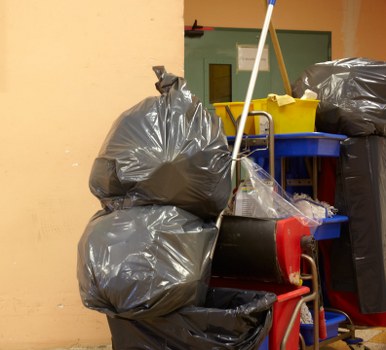 This Health and Safety Policy sets out the safety commitments and operating standards for Skip Hire Southwark as a responsible skip hire and rubbish removal provider. It is designed to protect employees, contractors, customers, and the public within our rubbish company service area and associated service locales. The policy reflects our duty to maintain safe work practices in both vehicle operations and on-site handling of waste across domestic and commercial collections.
Our objectives are clear: to prevent incidents, reduce risk and ensure legal compliance. Responsibilities are allocated at all levels of the organisation. Managers have clear accountability for implementing procedures, supervisors are responsible for day-to-day supervision of safe tasks, and every worker must follow instructions, wear required personal protective equipment and report hazards immediately.
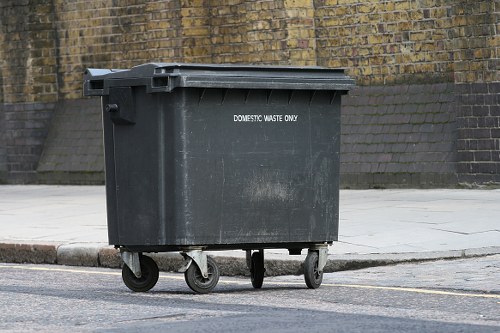 Risk assessment underpins all activities. Before collection, transfer, or disposal we carry out documented assessments to identify hazards associated with manual handling, vehicle movements, hazardous materials and working at height when loading or unloading skips. These assessments determine control measures which may include mechanical aids, exclusion zones, or specialist waste segregation to prevent exposure to harmful substances.
Training and competency are central to safe operations. All staff engaged in skip hire, waste collection and clearance are provided with induction training and periodic refresher sessions. Training covers safe lifting techniques, traffic awareness, use of PPE such as gloves, hi-vis and respiratory protection when necessary, and emergency procedures. Records of qualifications and toolbox talks are maintained to demonstrate competence and continuous improvement.
Vehicle safety protocols ensure that mobile plant and collection vehicles operate without risk. Routine vehicle checks, secure loading procedures and competent drivers reduce the likelihood of road and site incidents. Where traffic management is required at collection points we implement signage, barriers and trained marshals to protect both crews and the public in the local rubbish collection service area.
 Site safety for customers and operatives is governed by a permit-to-work mindset when necessary. Customers are informed of requirements for safe access and egress, and for the positioning of skips to avoid obstruction. Our teams will advise on the appropriate size of skip and any permits required by third parties; however, the operational focus remains on safe placement and secure containment of waste during the hire period.
Hazardous waste handling is controlled via strict segregation and disposal procedures. We do not accept banned or unsafe materials such as certain chemicals, asbestos or medical waste unless handled by licensed specialists. When identified, hazardous items are isolated and managed in accordance with statutory guidance and our internal waste transfer documentation to ensure traceability and regulatory compliance.
Health surveillance and wellbeing form part of our duty of care. Staff exposed to dust, noise or manual handling risks are subject to appropriate monitoring where risk assessments indicate. We promote reporting of ill-health and near-miss events to inform preventive action. Mental health support and safe working hours are also emphasised to maintain a resilient workforce in the skip hire and rubbish clearance sector.
Emergency response arrangements include clearly documented procedures for spills, road incidents and fire. All operatives are familiar with first aid provision, spill kits and emergency contact routes. Incidents are recorded, investigated and used to update procedures so lessons are embedded into training and operational controls.
Audit, monitoring and continual improvement form a core part of the policy. Regular inspections, audits and performance reviews measure compliance with safe systems of work and the effectiveness of controls across our waste management and skip hire service area. Corrective actions are tracked to completion and performance metrics are reported to senior management to ensure accountability.
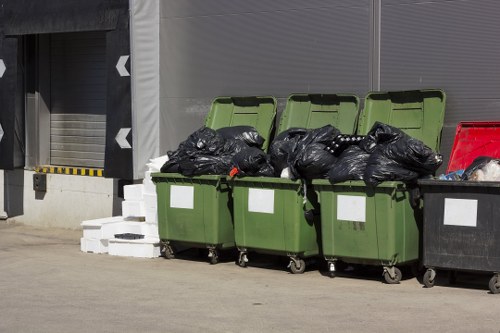 Consultation with employees and contractors is maintained through safety meetings and open channels for raising concerns. We use toolbox talks, written updates and supervisory briefings to communicate changes to procedures or emerging risks. Engagement is encouraged so that those performing tasks contribute to practical, on-the-ground improvements.
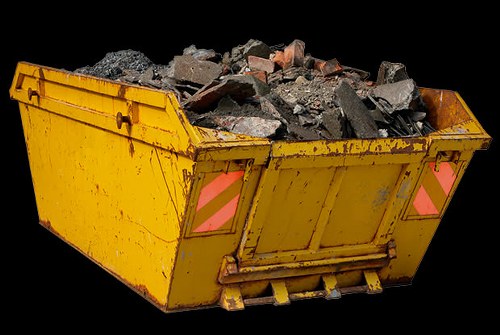 This policy is reviewed at least annually or sooner when significant changes occur to operations, legislation or service area requirements. Reviews consider incident trends, audit results and stakeholder feedback to ensure the policy remains effective. By adhering to these standards, Skip Hire Southwark commits to providing a safe, lawful and professional skip hire, rubbish clearance and waste removal service across its service area.
Key Responsibilities
- Senior Management: Provide leadership, resources and review of the health and safety system.
- Supervisors: Enforce safe working practices and conduct site risk assessments.
- Employees and Contractors: Work safely, use PPE and report hazards without delay.
Summary of Controls
Controls include: documented risk assessments, clear operational procedures, PPE provision, training programs, vehicle checks, hazardous waste segregation and incident reporting mechanisms. Together, these controls form a resilient framework to manage safety across the rubbish company service area while maintaining legal and ethical standards.
Policy ownership: The policy is owned by company leadership and is implemented by operational managers. It is available to all staff and is part of contractual obligations with suppliers and subcontractors. Compliance with this policy is mandatory for anyone working on behalf of the organisation.
Review date: This policy will be reviewed regularly and updated to reflect changes in legislation, technology and operational experience to ensure ongoing protection of people, property and the environment.